Do you share McDonough's viewpoint? Explain and use an example of a design that supports your position.
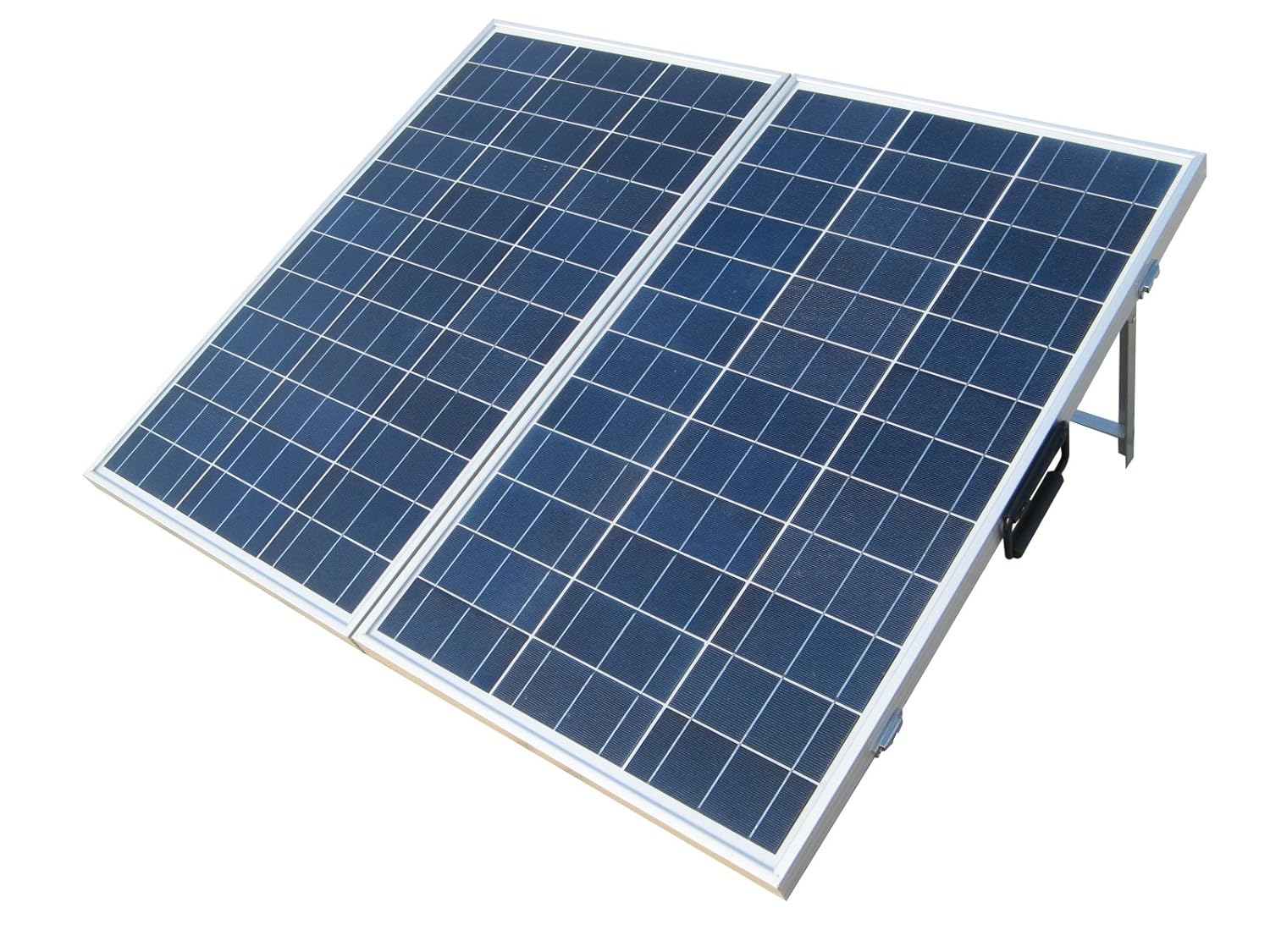
I agree with McDonough's viewpoint for the most part, however he moves forward and says "well, what would our intentions be as a species now that we are the dominant species?" and I disagree with his assumption that all humans carry the same intentions. On the other hand, I think the quoted statement is true, sometimes in a good way, sometimes in a bad way, depending on the actual intentions of the person. I believe that there is intention behind the creation of every product - whether that is to resolve a problem, satisfy a need, provide entertainment, simplify human tasks, and so on. One bad example is the rubber duck he explained at the beginning. It contained chemicals that were carcinogens but they were still labelled and sold as children's toys. The obvious intention of this was to make money, not to keep the safety of the users. Underlying intention is applied to every product big and small. Steve Jobs for example, he probably had the money making intention in mind, but his main intention was likely to create a product (computer, iphone, ipad, etc.) to make human life more enjoyable, easier, more efficient and convenient, as well as to advance our technology needs. Also, solar panels, whoever designed those likely knew that earths resources (ie fossil fuels) would not be able to support the human race forever and ever, so they invented something that would use solar power to produce electricity, something that would be more sustainable and environmentally friendly. On another note, I think there are several occasions where the designer has a good intention at heart, but they aren't aware of potential consequences or harm that may accompany those benefits. For example, pencil leads which make our lives much easier, but the led is harmful to our bodies, the designer probably didn't know this. The precautionary principle should be in place to ensure safety and the risks really have to be weighed and analysed against the benefits.


2. McDonough states: "What we realise today is that modern culture appears to have adopted a strategy of tragedy. If we come here and say, "Well, I didn't intend to cause global warming on the way here," and we say, "That's not part of my plan," then we realise it's part of our de facto plan. Because it's the thing that's happening because we have no other plan."
Do you agree with McDonough that we have a "strategy of tragedy" that is shaping the human condition? Why or why not?
I agree with McDonough that humans tend to have a "strategy of tragedy". Although often unintentionally and/or subconsciously, humans often go about their daily lives and do things without realising the effect that it has on our environment and community. I think there is also a mentality that we are doing nothing wrong if it is unintentional, and if it's something that everyone else does, then what different does it make? For example, driving cars. Cars are a huge contributor of global warming and pollution. Of course, people don't drive cars with the intention of killing the earth and polluting the environment and lungs of people in the community, they're driving cars for convenience. But they continue to do it, because they're not hurting the environment intentionally. Also, there often aren't short term, immediate effects, but rather gradual and long term effects...ultimately resulting in a tragedy in the environment. When people come up with new ideas and plans, they often focus solely on the end, "successful" results, and don't consider the whole picture, all the negatives that will come along with it. I think another example was the love canal tragedy. The Hooker Chemical Company were just looking for a place to dump their waste. They did not consider the fact that the toxic chemicals would leak out and seep into peoples homes. By trying to simplify their work by just dumping it into the river, they put many people at risk and created a huge and messy commotion.


3. McDonough believes that design determines our interactions with nature and how we value it. Is there evidence to support that view? Or does McDonough have it backwards, that nature actually shapes the way we design?
Personally, I think that McDonough has it backwards and that nature shapes the way that we design more so than our design shapes nature. I feel like there are a lot of things that nature does (like ecosystem services) that inspire humans to include into their designs. (A bit of a long shot), but I think the shapes of leaves are naturally formed so that water can run down them and these kinds of designs can be seen in some human designs. On the other hand, I can also see how some could argue that because the environment and the way it works is not something that we think about much because it was just "given" to us, designers don't really have it in mind when they design. I think they design more inspired off of other human designs. I also think the way that we value it sort of relates to the cradle to cradle design he mentions. There's a cycle that natural resources go through, like the food chain (kind of). Similarly, when our environment is healthy, so are we. Natures cradle to cradle design makes it apparent that nature shapes the way we design. Also, we have to keep up with our environment. If the world around us is changing, we have to change alongside with it. We design things to adhere what surrounds us.
4. Explain what cradle to cradle design is. Describe and use an example (provide a web link please) of what the two metabolisms are and what they do. Illustrations are welcome here - make the readers lose their minds!
Cradle to cradle design is the idea that we are playing in an infinite and ongoing game. It's a term that basically describes recycling, allowing materials to be recycled and reused, keeping them valuable and useful in the industry for as long as possible. It's a product that can be used, then used over and over again. It can be thrown away and recycled into something else. He described two metabolisms which were biological and technical. Biological metabolisms naturally reuse their resources, they are nature's nutrient cycles. Their materials are very easily broken down. They are the natural process of ecosystems. "The natural processes of ecosystems are a biological metabolism, making safe and healthy use of materials in cycles of abundance. A material used by living organisms or cells to carry on life processes such as growth, cell division, synthesis of carbohydrates and other complex functions" An example of a biological metabolism is a tree, because its materials are easily broken down and recycled by the natural environment.
A technical metabolism is a one way cycle. It can't recycle it's own materials. It's the process of putting products and their materials in a closed cycle, so they can be reused but not naturally. "the technical metabolism, designed to mirror the earth's cradle-to-cradle cycles, is a closed-loop system in which valuable, high-tech synthetics and mineral resources—technical nutrients—circulate in a perpetual cycle of production, recovery, and remanufacture" I think technical metabolisms are used more for like industrial purposes. A toothbrush could be a good example of this, because after it is used, it is thrown into a landfill and incinerated.
Example: G-Diapers https://www.gdiapers.com/
Example: Ice Stone counter surfaces http://www.c2ccertified.org/innovation-stories/icestone


No comments:
Post a Comment