Monday, May 21, 2018

Friday, May 11, 2018
Solar Project - Vlog 2
https://www.youtube.com/watch?v=jjZwIdqmcMg
Temperature Readings:
150ºF
180ºF
200ºF
Leavy, Thom. “How to Build a DIY Solar Oven.” Popular Science, Popular Science, 20 Dec. 2016, www.popsci.com/build-diy-solar-oven.
Temperature Readings:
150ºF
180ºF
200ºF
Leavy, Thom. “How to Build a DIY Solar Oven.” Popular Science, Popular Science, 20 Dec. 2016, www.popsci.com/build-diy-solar-oven.
Monday, May 7, 2018
Sunday, April 8, 2018
Pandora's Promise - Movie Review
Pandora's Promise was a documentary produced by Robert Stone in 2013, and it showcased some ordinary people and scientists discussing the use of nuclear energy. The documentary was interesting, because from what I could tell, the people who were being interviewed were initially very opposed and against the use of nuclear energy, but as they discuss the pros and cons and at the end of the film they are arguing for it and embracing its use. The whole idea that the film was based upon was that there were and are a lot of environmentalists who are very opposed to the idea of it, but in reality, it is actually a very safe and clean energy source. The documentary also discussed the increasingly severe problem of anthropogenic global warming and radiation.
One of the things that I learnt from the film was about the impact of radiation. I had always known that radiation can be very dangerous, especially in high levels, due to the damage that it does to the cells that make up the human body. However, I didn't realise the severity of it. One of the environmental experts that was interviewed discussed many of the power plant failures ranging from Chernobyl to Fukuyama. He proceeded to say "It must be absolutely awful to have a town wiped out by a tsunami or earthquake, and you can't even come back and rebuild because it's all contaminated by radiation." (7:20) This opened my eyes and made me more aware of the risks that high amounts of radiation can pose. However, it was comforting (in an odd way) to find out that flying a plane produces more than 20 times the radiation than the people living in Chernobyl get, as well as athe fact that no one has ever died from nuclear power plants in the US, but over 10,000 people die from coal dust every year. I also learned about the first nuclear energy source in the United States, which was built in Shippingport, Pennsylvania. It was a modified version of a large submarine reactor. Something I found that was very interesting is the the United States buys nuclear war heads from Russia, so that they can recycle them and use them as fuel in reactors, and very little waste is actually produced from new reactors because they have the ability to reuse and recycle their own material. There were two types of reactors described in the film: the breeder reactor and the light water reactor. The breeder reactor creates plutonium material and recycles it. The light water reactor is much simpler than the breeder reactor, but it produces much more waste. According to the film, the amount of energy consumed by humans is expected to double by 2050, and is expected to triple or even quadruple by the year 2100.
There were a few other things that I was quite shocked by. The first thing was when it showed footage that visually showed the danger that came with different types of energy. It communicated this information by showing different sized cubes. The first one looked like a normal sized cube and it said coal on it. It then zoomed in and got to smaller and smaller cubes, until it finally got to nuclear energy, which was said to be the second safest form of energy production, not far behind the safest: wind energy. Nuclear energy is even safer than solar panels and solar energy, because solar panels is an extremely toxic process! The other things that I was surprised by was was when one of the ladies being interviewed said " 70000 tons have accumulated, of used fuel in the US. I thought the quantity was staggering! In fact, all used nuclear fuel from nuclear plants in the United States could fit into a single football field, if stacked to about 3m. Of that, only a very small fraction is plutonium that would still be radioactive and dangerous years from now." (1:15:50). The next person followed up that claim by saying "volumetrically, nuclear produces tiny amounts of waste." After that he said, Nuclear energy power 80% of France's energy needs, and the waste could fit into one room, compared to the billions of tons of waste produced by coal burning.
I felt, as I mentioned, pretty surprised by the end of the documentary. Going into it, I didn't really know what to expect, and I didn't really know what the documentary was about, let alone the stance that it would take. Upon discovering it was a discussion on the use of nuclear energy, my immediate thoughts were primarily negative, thinking that nuclear energy and nuclear power plants are definitely not the way to go. I thought they were dangerous, I thought they produced a lot of toxic waste, and a plethora of other things that made me against using them. I was surprised that the documentary was kind of able to convince me otherwise. Some of the visuals and ways that they showed it's effect and size (waste fitting in one room, waste fitting in one football field, small scale comparisons in block size to other power sources, etc.) were very effective in convincing me that they made not be as bad and I had initially read them to be. Prior to starting the film, I had this awful idea of anything involving the word "nuclear". To be honest, I didn't know much of anything about it, I just thought it was something bad, because I associated with things like nuclear bombs. My ideas were confirmed at the start of the film when it said it is "primarily a weapon, not an energy source". The last thing that stuck out to me was the part where it showed the warming of the earth changing (32:20) and it suddenly got much redder once it hit the 2000's. I kind of expected this, but I didn't realise that there was such a prominent change once the millennials were introduced to the picture.
What I liked about this film was that it was meant for ordinary people. They didn't use a lot of very scientific terms that were difficult to understand. Also, as I mentioned, it was very effective and I was quite hooked in it, because I completely agreed with the kinds of things they were staying towards the start of the film, but there was a very smooth and dragged out transition from them saying it was bad to saying it was good, and I felt like I was brought along this journey alongside them, which made it all the more convincing to me. I wouldn't say I'm now a 100% strong advocate for using nuclear power, but I definitely see it in a much more balanced way now. There are, of course, some things that aren't great about using nuclear power plants, but there are pros and cons with everything. Nuclear power is "by far the safest, cleanest source of world power", and a quote I really liked that they used at the end of the film was that "loving your children is about loving the future and the world that they will inherit". Although it's not directly related, I remember that when I was reading about Cape Wind, there was a quote that said something like "Society has to at some point accept that if we want electricity, we have to get it from somewhere and wherever that is, it won't be zero impact" I think this quote is very true, and nuclear power sources are very small impact, but there is still some impact, and it's a matter of weighing the pros and cons of different power sources. I think that nuclear power sources are one of the better, safer options out of some of the others. As a whole human race, we have to cut down on our energy use, because there are only so many ways that we can find sustainable energy sources, and these sources can only be so sustainable. Being "sustainable" doesn't mean it can support ALL our needs and wants forever. The ending of the film said they were hopeful for the next generation, and I'd like to hope that I can be too.
One of the things that I learnt from the film was about the impact of radiation. I had always known that radiation can be very dangerous, especially in high levels, due to the damage that it does to the cells that make up the human body. However, I didn't realise the severity of it. One of the environmental experts that was interviewed discussed many of the power plant failures ranging from Chernobyl to Fukuyama. He proceeded to say "It must be absolutely awful to have a town wiped out by a tsunami or earthquake, and you can't even come back and rebuild because it's all contaminated by radiation." (7:20) This opened my eyes and made me more aware of the risks that high amounts of radiation can pose. However, it was comforting (in an odd way) to find out that flying a plane produces more than 20 times the radiation than the people living in Chernobyl get, as well as athe fact that no one has ever died from nuclear power plants in the US, but over 10,000 people die from coal dust every year. I also learned about the first nuclear energy source in the United States, which was built in Shippingport, Pennsylvania. It was a modified version of a large submarine reactor. Something I found that was very interesting is the the United States buys nuclear war heads from Russia, so that they can recycle them and use them as fuel in reactors, and very little waste is actually produced from new reactors because they have the ability to reuse and recycle their own material. There were two types of reactors described in the film: the breeder reactor and the light water reactor. The breeder reactor creates plutonium material and recycles it. The light water reactor is much simpler than the breeder reactor, but it produces much more waste. According to the film, the amount of energy consumed by humans is expected to double by 2050, and is expected to triple or even quadruple by the year 2100.
There were a few other things that I was quite shocked by. The first thing was when it showed footage that visually showed the danger that came with different types of energy. It communicated this information by showing different sized cubes. The first one looked like a normal sized cube and it said coal on it. It then zoomed in and got to smaller and smaller cubes, until it finally got to nuclear energy, which was said to be the second safest form of energy production, not far behind the safest: wind energy. Nuclear energy is even safer than solar panels and solar energy, because solar panels is an extremely toxic process! The other things that I was surprised by was was when one of the ladies being interviewed said " 70000 tons have accumulated, of used fuel in the US. I thought the quantity was staggering! In fact, all used nuclear fuel from nuclear plants in the United States could fit into a single football field, if stacked to about 3m. Of that, only a very small fraction is plutonium that would still be radioactive and dangerous years from now." (1:15:50). The next person followed up that claim by saying "volumetrically, nuclear produces tiny amounts of waste." After that he said, Nuclear energy power 80% of France's energy needs, and the waste could fit into one room, compared to the billions of tons of waste produced by coal burning.
I felt, as I mentioned, pretty surprised by the end of the documentary. Going into it, I didn't really know what to expect, and I didn't really know what the documentary was about, let alone the stance that it would take. Upon discovering it was a discussion on the use of nuclear energy, my immediate thoughts were primarily negative, thinking that nuclear energy and nuclear power plants are definitely not the way to go. I thought they were dangerous, I thought they produced a lot of toxic waste, and a plethora of other things that made me against using them. I was surprised that the documentary was kind of able to convince me otherwise. Some of the visuals and ways that they showed it's effect and size (waste fitting in one room, waste fitting in one football field, small scale comparisons in block size to other power sources, etc.) were very effective in convincing me that they made not be as bad and I had initially read them to be. Prior to starting the film, I had this awful idea of anything involving the word "nuclear". To be honest, I didn't know much of anything about it, I just thought it was something bad, because I associated with things like nuclear bombs. My ideas were confirmed at the start of the film when it said it is "primarily a weapon, not an energy source". The last thing that stuck out to me was the part where it showed the warming of the earth changing (32:20) and it suddenly got much redder once it hit the 2000's. I kind of expected this, but I didn't realise that there was such a prominent change once the millennials were introduced to the picture.
What I liked about this film was that it was meant for ordinary people. They didn't use a lot of very scientific terms that were difficult to understand. Also, as I mentioned, it was very effective and I was quite hooked in it, because I completely agreed with the kinds of things they were staying towards the start of the film, but there was a very smooth and dragged out transition from them saying it was bad to saying it was good, and I felt like I was brought along this journey alongside them, which made it all the more convincing to me. I wouldn't say I'm now a 100% strong advocate for using nuclear power, but I definitely see it in a much more balanced way now. There are, of course, some things that aren't great about using nuclear power plants, but there are pros and cons with everything. Nuclear power is "by far the safest, cleanest source of world power", and a quote I really liked that they used at the end of the film was that "loving your children is about loving the future and the world that they will inherit". Although it's not directly related, I remember that when I was reading about Cape Wind, there was a quote that said something like "Society has to at some point accept that if we want electricity, we have to get it from somewhere and wherever that is, it won't be zero impact" I think this quote is very true, and nuclear power sources are very small impact, but there is still some impact, and it's a matter of weighing the pros and cons of different power sources. I think that nuclear power sources are one of the better, safer options out of some of the others. As a whole human race, we have to cut down on our energy use, because there are only so many ways that we can find sustainable energy sources, and these sources can only be so sustainable. Being "sustainable" doesn't mean it can support ALL our needs and wants forever. The ending of the film said they were hopeful for the next generation, and I'd like to hope that I can be too.
Monday, April 2, 2018
Northern Pass - Response Essay
In the simplest words, the Northern Pass is a 192-mile transmission line from
Hydro-Quebec that would carry hydroelectric power from Canada to New England.
It would bring 1090 megawatts of “clean”, affordable energy to NH and the rest
of New England. It was in the process of being built, but is now currently on hold,
and at the moment, is not being/going to be built. While there are many advantages to
the building of the Northern Pass (more surface level things like creating jobs, which
are in fact, very temporary), I feel that the costs outweigh the benefits in this case, and
in my opinion, I do not think the Northern Pass is a good idea, and it should not be built.
Hydro-Quebec that would carry hydroelectric power from Canada to New England.
It would bring 1090 megawatts of “clean”, affordable energy to NH and the rest
of New England. It was in the process of being built, but is now currently on hold,
and at the moment, is not being/going to be built. While there are many advantages to
the building of the Northern Pass (more surface level things like creating jobs, which
are in fact, very temporary), I feel that the costs outweigh the benefits in this case, and
in my opinion, I do not think the Northern Pass is a good idea, and it should not be built.
I think that the biggest thing is that the building of the Northern Pass would mean that
it would be a huge disruptor and would cause great destruction to scenic landscapes,
national park lands and habitats. Today in class, we discussed and learned that it would
likely cut right through the White Mountains (where we spent wilderness orientation).
There is a lot of natural heritage and historic monuments in New Hampshire that would
be greatly affected, and I think that this is worth more than the energy that wouldn’t
even hugely benefit residents. This would create a major drawback in visitors, and it
would create major economic implications for tourism. Furthermore, the economic
implications would also be seen in the depreciation of home and property value. It
would cut through agricultural land, lowering its property value and usage ability.
it would be a huge disruptor and would cause great destruction to scenic landscapes,
national park lands and habitats. Today in class, we discussed and learned that it would
likely cut right through the White Mountains (where we spent wilderness orientation).
There is a lot of natural heritage and historic monuments in New Hampshire that would
be greatly affected, and I think that this is worth more than the energy that wouldn’t
even hugely benefit residents. This would create a major drawback in visitors, and it
would create major economic implications for tourism. Furthermore, the economic
implications would also be seen in the depreciation of home and property value. It
would cut through agricultural land, lowering its property value and usage ability.
New Hampshire’s total energy consumption and per capita energy consumption is
one of the lowest in the entire nation, so really, New Hampshire residents wouldn’t
reap huge benefits. Furthermore, New Hampshire residents can’t even use the direct
current energy. They can only access it when the DC is converted to alternating
current (AC) energy. According to notonorthernpass.com, the project “is not about
clean energy, it is about an unfair market advantage, cloaked in false “green”
promises. The Northern Pass would effectively turn NH into a glorified extension cord”.
one of the lowest in the entire nation, so really, New Hampshire residents wouldn’t
reap huge benefits. Furthermore, New Hampshire residents can’t even use the direct
current energy. They can only access it when the DC is converted to alternating
current (AC) energy. According to notonorthernpass.com, the project “is not about
clean energy, it is about an unfair market advantage, cloaked in false “green”
promises. The Northern Pass would effectively turn NH into a glorified extension cord”.
In conclusion, I do not think the Northern Pass is a good idea. Along with the NH
site evaluation committee, I think that there are definitely more severe consequences
to building the Northern Pass and many flaws in the idea, that just aren’t worth the
minimal amount of benefits that it would provide. The scales just aren’t nearly
balanced.I acknowledge that there are, of course, big benefits to building it, but it’s
just not something I think we need. Furthermore, I definitely think that there are
other ways to reap those same benefits. The Northern Pass would be a huge production
that, statistics show that of over 3,000 public comments that were submitted to the
SEC, 95% of NH residents oppose it. Nearly every community along the proposed
route of towers has spoken up to oppose the project, and as have others across the
state. I agree that we need to expand our energy, but the Northern Pass is not the
way to do it, because it would do irreparable damage to the beautiful state.
site evaluation committee, I think that there are definitely more severe consequences
to building the Northern Pass and many flaws in the idea, that just aren’t worth the
minimal amount of benefits that it would provide. The scales just aren’t nearly
balanced.I acknowledge that there are, of course, big benefits to building it, but it’s
just not something I think we need. Furthermore, I definitely think that there are
other ways to reap those same benefits. The Northern Pass would be a huge production
that, statistics show that of over 3,000 public comments that were submitted to the
SEC, 95% of NH residents oppose it. Nearly every community along the proposed
route of towers has spoken up to oppose the project, and as have others across the
state. I agree that we need to expand our energy, but the Northern Pass is not the
way to do it, because it would do irreparable damage to the beautiful state.
Bibliography:
“Home.” No To Northern Pass, www.notonorthernpass.com/.
“Northern Pass Is Wrong for New Hampshire.” New Hampshire Business Review, www.nhbr.com/February-2-2018/Northern-Pass-is-wrong-for-New-Hampshire/.
The Northern Pass.” Forest Society, 8 Feb. 2018, forestsociety.org/advocacy-issue/northern-pass.
“Northern Pass.” Appalachian Mountain Club, www.outdoors.org/conservation/hot-issues/northern-pass.
Wednesday, February 21, 2018
Monday, February 12, 2018
Transfer Station/Recycle Center - February 10th, 2018
Lauren Ho
"Visit to the Transfer Station/Recycle Center"
640 Main Street, Andover, New Hampshire
Date of Excursion: February 10th, 2018
On February 10th, the class all brought trash/recycling from our dorms to APES class first block, and headed onto the bus with Alan to make our way to the Town of Andover Transfer Station and Recycling center, located at 640 Main Street. It was a short trip of 2.1 miles and it was only about 3 minutes in the bus one way. It was a relatively warm morning when we went, leaving at around 8:20am and returning at around 9:00am to head to our next class. There was snow on the ground, but not too much. The sun was out, but not shining directly on us, and the winds were still so it was the perfect combination of hot and cold. It was a little chilly, but we all had coats to keep up warm. It was a relatively small place over all.


Screenshot from Google Maps Photo taken from @proctoracademy Instagram
The Andover Transfer Station and Recycling Center is where residents of Andover, New Hampshire, go to dispose of their trash and recycling. It is a processing site and waste management (chapter 22 vocabulary) that it used for the temporary deposition of waste generated by the town. It is not meant for industrial solid waste (chapter 22 vocabulary). In order to use the transfer station, residents of the town must obtain a permit in the form of a sticker that will be placed on their car. They come with the small fee of $5.00 per car, and proof of residency must be provided when residents apply for a permit. There were a few different waste disposal group areas that we looked at. The trash, recyclables and dispolables are laster sent onto other places to be properly recycled or disposed of, such as Boston, Rochester, Concord and New London.
We started by looking at the general trash dump and took turns throwing in the trash bags we had brought. This is where all municipal solid waste (chapter 22 vocabulary) is disposed of. We were lucky enough to be able to see the compacter in action, squishing all the bags and creating space for more trash. When we were here, Alan talked about the sign above the trash disposal that said "DUMPING RECYCLABLES HERE MEANS HIGHER TAXES FOR ALL". He went on to described how reducing our overall trash generation would reduce costs for the town, because it is measured by weight and taxes follow accordingly. On another note, the state of New Hampshire is currently working on finding a way to require transfer stations to compost food waste, because this will results in a very significant trash waste reduction.


Throwing trash - photo taken by Lauren Ho General trash disposal - photo taken by Lauren Ho
After looking at the general trash disposal area, we moved into a room in which there were a lot of items (such as toys, books etc.) including televisions - E-Waste - and we learned that they ship these away to be disposed of. It is sent to another company for about $0.48/lb to be recycled. It costs between $2-$16 for an Andover resident to dispose of e-waste here. This price covers the price of sending it off to be recycled. I believe electronics are sent to Rochester after the transfer station. The company that receives the waste from the transfer station tries to recycle the plastics, metals and as much of the product as possible. We learned that items in this room could be taken, picked up or traded by any resident of Andover. In this room, there was also a box to dispose of lightbulbs and other mercury-containing items. I learned that it is against the law to throw items containing mercury in the trash. This includes anything from fluorescent lamps, compact fluorescent lamps, thermometers, thermostats, to tilt switches, manometers and button batteries. It is unknown where electronics and alkaline batteries go after they leave the facility. Mercury containing products can be harmful to the environment if they are improperly disposed of. Consumers are encouraged to bring their mercury products along with their other recyclables and either dispose of them through "collection and recycling at municipal facilities", "household hazardous waste (Chapter 22 vocabulary) collection events" (they host one day where they collect all household hazardous waste for free!!) or "municipal and commercial thermostat recycling locations. The reason why is because mercury is a highly toxic chemical that when it accumulates in human bodies, it never breaks down into a non-toxic form. It can be damaging to the liver, kidney and brain(causing neurological disorders). It can also be absorbed by plants and animals once it's released into the air. It bioaccumulates and moves up the food chain. (http://www.andover-nh.gov/assets/municipal/10/Products_Containing_Mercury_List_1476198738.pdf)


E-Waste - Photo by Lauren Ho Tradable trash - Photo by Lauren Ho
When we were done inside, we moved onto the recyclables disposal and learned that Andover recycles about 70% of their waste. Some of us who brought our recycling threw it in, and then we learned about single stream recycling. By definition single stream recycling refers to "a system in which all paper fibers, plastics, metals and other containers are mixed in a collection truck, instead of being sorted by the depositor into separate commodities." Also, we weren't allowed to throw in the recycling bags, but instead had to pour all the recyclables out into the disposal. Because this facility requires that residents have to sort their own trash, they have very clear guidelines on what should be recycled and what shouldn't. It is important that people individually sort out their own trash, because failure to do so would increase in fees and taxes for everyone. It's like a team effort. When describing how the single stream recycling works, Alan said "This site has a whole automised system that will pick out all these things and bundle them into collections and send them off into the market or whoever wants to recover this material" (-Alan McIntyre). He talked about how China was the biggest buyer of plastics, and the plastic market is now collapsing, that means that we have a lot of plastic resources in this country and "if someone is innovative enough, they could make that into manufacturing stuff and make America great again." (-Alan McIntyre).


Single stream recycling - Photo by Lauren Ho Pouring out recyclables - Photo by Lauren Ho

Recycling Disposal - Photo by Lauren Ho
After that, we moved forward and took a look at the glass disposal. The glass disposal was just a big, bright orange dumpster. It was filled with snow and just has glass bottles sticking out of it here and there. The first thing that Alan said to us here was that "at every dump, at every recycling center, at every trash can, there are errors that are made. And these recycling services expect that about 10% of stuff that doesn't belong. They don't like to go over that number. The more pure it is, the better it is for recovery" (-Alan McIntyre). Because there weren't many bottles disposed of in this dumpster, we were able to immediately identify some things that didn't belong, such as a styrofoam cup from Dunkin' Donuts. Building off of what Alan said, because more purity means it's better for recovery, other countries and areas may have stricter rules. Because we have zero-sort, we are more prone to having errors. However, the biggest issue is that people don't participate in recycling to begin with. The reason why the town went single stream was because they were trying to increase the amount of stuff recovered. It's impossible to have a perfect system, because there are always pros and cons. Other places such as Germany and Italy have very strict rules of enforcement, they have better recovery rates and purer streams for the market, and they don't have participation issues because people are required to participate. One way to get a lot of participation to do "pay as you throw", whereas this is free. There are also a lot of other factors that influence the cost, for example the cost of moving it. The glass is charged by weight, gasoline is used, so the price of gasoline influences it. The glass in this particular bin would be headed to New London, and a plant there would break it down and mix it in with asphalt. "There is more glass in the waste stream in the state of New Hampshire than anything else, so you don't get a lot of money for that. If there's an oversupply and not enough demand...that's economics. Cardboard, we usually make lots of money on cardboard." (-Alan McIntyre) What is important about this is exactly in the quote. We have too much glass and there isn't enough demand for it, so we are making a minimal about of money, whereas with things with higher demand, such as cardboard, we make more money off it and we hope for a higher supply of it.


Resident disposing of glass - Lauren Ho // Glass dumpster - photo by Lauren Ho
"If you market your budget and your workers based off the volatility of the recycling market... you're in trouble" - Alan McIntyre
We then headed over to another dumpster, which was the white goods, which is the generic term for appliances with chemicals in them. Disposal of these cost about $5-$8 per item. It is expensive because someone has to extract the chemicals which are hazardous to the environment out of them. These are sent to Concord after the transfer station. Over on the other side, there was a dumpster for flame retardant products, specifically construction debris, they're hazardous so they have to be separated. On Proctor's campus, it would be the stuff that we keep behind the hockey rink. That is where we keep our construction debris. We saw the metal scraps dump but didn't walk over because of the coldness and the snow, and we didn't talk too much about it. We then walked over to a burn pile.

Metal Scraps and White goods - Photo by Lauren Ho


Flame Retardants & Metal Scraps Burn Pile (covered in snow)
Photo by Lauren Ho Photo by Lauren Ho
"The biggest challenge for any town dump or transfer station is that most towns are growing, and most people create more and more trash every year. The idea is to create zero waste and have everything go back into its own cycle," like closed loop recycling (chapter 22 vocabulary), breaking the cradle-to-grave system and turning it into a cradle-to-cradle (chapter 22 vocabulary) system. "Yard waste and food waste is something this town is yet to master. 20% of the trash flow is organic." -Alan McIntyre
There was a lot of snow in the 'burn pile' and we found out that they usually wait until it melts a little bit before they pile it up, add gasoline and burn things. The last thing that we looked at (from a distance) was a trailer full of tires. It costs $5 for a tire to dispose of them, and they can either be incinerated (chapter 22 vocabulary) or they can be recycled.

Tire Trailer - photo by Lauren Ho
"Not all transfer stations are some cruel, capitalist service" -Alan McIntyre
(A Proctor service group collected 45 tires along the rail trail in the fall and the town didn't charge them $5 a tire, because that would be almost $200. They took the tires because they were grateful that the group cleaned up and reduced hazards of mosquitoes etc.)
"All these materials are going to be useful for something - whether it's life forms, composting, or for human innovation - recycling." -Alan McIntyre

Photo taken from @proctoracademy Instagram
Reflection:
This experience/field trip was extremely eye opening for me, because I got to see that there are so many details that go into sorting 'garbage'. Things that we throw away when we are done with them aren't just one big category of 'garbage'. They aren't even just two big categories of "recyclable" and "non-recyclable". There are countless subcategories within both of those two major groups. It also gave me an opportunity to see where my waste goes after I throw it into the trash can or recycling bin and it gets taken out of my dorm. Although it makes me sound very arrogant and snobby, I had never heard of a transfer station before this. I don't believe there are any transfer stations in Hong Kong, and we never had to drive our trash anywhere to dispose of it. Growing up, all I knew about the disposal of trash was that I threw it into the big garbage can in the kitchen or under my desk, and it got taken out the back door in the stairwell. Someone would then come a few mornings a week, take all the trash from the backdoors of the entire building, throw it into a truck, and then I would never know anything about where it went after the big truck disappeared around the corner of our driveway. There was also no option for recycling in my apartment building. Everyone's trash went in one place and it got taken away, all to the same place. Being able to experience this and see ordinary Andover residents piling into the transfer station to dispose of their trash properly, to boost economics and to increase the health of the environment was really inspiring and (for lack of a better word) surprising to me. It was also very shocking to me the amount of trash that the tiny town of Andover produces. With only about 700 people bringing their garbage there every week, it is a lot of trash for a mere 7 days. It makes me really curious to know what a transfer station in a big city might look like, New York, or even Hong Kong for example. On a ending note, hearing Alan talk about the way things are managed and briefly hearing from one of the workers there, he very clearly stressed the importance of everything being sorted well and safely at the transfer station to simplify and make everything after that much smoother. I really hope to be able to learn more about transfer stations and the waste cycle.
"Visit to the Transfer Station/Recycle Center"
640 Main Street, Andover, New Hampshire
Date of Excursion: February 10th, 2018
On February 10th, the class all brought trash/recycling from our dorms to APES class first block, and headed onto the bus with Alan to make our way to the Town of Andover Transfer Station and Recycling center, located at 640 Main Street. It was a short trip of 2.1 miles and it was only about 3 minutes in the bus one way. It was a relatively warm morning when we went, leaving at around 8:20am and returning at around 9:00am to head to our next class. There was snow on the ground, but not too much. The sun was out, but not shining directly on us, and the winds were still so it was the perfect combination of hot and cold. It was a little chilly, but we all had coats to keep up warm. It was a relatively small place over all.


Screenshot from Google Maps Photo taken from @proctoracademy Instagram
The Andover Transfer Station and Recycling Center is where residents of Andover, New Hampshire, go to dispose of their trash and recycling. It is a processing site and waste management (chapter 22 vocabulary) that it used for the temporary deposition of waste generated by the town. It is not meant for industrial solid waste (chapter 22 vocabulary). In order to use the transfer station, residents of the town must obtain a permit in the form of a sticker that will be placed on their car. They come with the small fee of $5.00 per car, and proof of residency must be provided when residents apply for a permit. There were a few different waste disposal group areas that we looked at. The trash, recyclables and dispolables are laster sent onto other places to be properly recycled or disposed of, such as Boston, Rochester, Concord and New London.
We started by looking at the general trash dump and took turns throwing in the trash bags we had brought. This is where all municipal solid waste (chapter 22 vocabulary) is disposed of. We were lucky enough to be able to see the compacter in action, squishing all the bags and creating space for more trash. When we were here, Alan talked about the sign above the trash disposal that said "DUMPING RECYCLABLES HERE MEANS HIGHER TAXES FOR ALL". He went on to described how reducing our overall trash generation would reduce costs for the town, because it is measured by weight and taxes follow accordingly. On another note, the state of New Hampshire is currently working on finding a way to require transfer stations to compost food waste, because this will results in a very significant trash waste reduction.


Throwing trash - photo taken by Lauren Ho General trash disposal - photo taken by Lauren Ho
After looking at the general trash disposal area, we moved into a room in which there were a lot of items (such as toys, books etc.) including televisions - E-Waste - and we learned that they ship these away to be disposed of. It is sent to another company for about $0.48/lb to be recycled. It costs between $2-$16 for an Andover resident to dispose of e-waste here. This price covers the price of sending it off to be recycled. I believe electronics are sent to Rochester after the transfer station. The company that receives the waste from the transfer station tries to recycle the plastics, metals and as much of the product as possible. We learned that items in this room could be taken, picked up or traded by any resident of Andover. In this room, there was also a box to dispose of lightbulbs and other mercury-containing items. I learned that it is against the law to throw items containing mercury in the trash. This includes anything from fluorescent lamps, compact fluorescent lamps, thermometers, thermostats, to tilt switches, manometers and button batteries. It is unknown where electronics and alkaline batteries go after they leave the facility. Mercury containing products can be harmful to the environment if they are improperly disposed of. Consumers are encouraged to bring their mercury products along with their other recyclables and either dispose of them through "collection and recycling at municipal facilities", "household hazardous waste (Chapter 22 vocabulary) collection events" (they host one day where they collect all household hazardous waste for free!!) or "municipal and commercial thermostat recycling locations. The reason why is because mercury is a highly toxic chemical that when it accumulates in human bodies, it never breaks down into a non-toxic form. It can be damaging to the liver, kidney and brain(causing neurological disorders). It can also be absorbed by plants and animals once it's released into the air. It bioaccumulates and moves up the food chain. (http://www.andover-nh.gov/assets/municipal/10/Products_Containing_Mercury_List_1476198738.pdf)


E-Waste - Photo by Lauren Ho Tradable trash - Photo by Lauren Ho
When we were done inside, we moved onto the recyclables disposal and learned that Andover recycles about 70% of their waste. Some of us who brought our recycling threw it in, and then we learned about single stream recycling. By definition single stream recycling refers to "a system in which all paper fibers, plastics, metals and other containers are mixed in a collection truck, instead of being sorted by the depositor into separate commodities." Also, we weren't allowed to throw in the recycling bags, but instead had to pour all the recyclables out into the disposal. Because this facility requires that residents have to sort their own trash, they have very clear guidelines on what should be recycled and what shouldn't. It is important that people individually sort out their own trash, because failure to do so would increase in fees and taxes for everyone. It's like a team effort. When describing how the single stream recycling works, Alan said "This site has a whole automised system that will pick out all these things and bundle them into collections and send them off into the market or whoever wants to recover this material" (-Alan McIntyre). He talked about how China was the biggest buyer of plastics, and the plastic market is now collapsing, that means that we have a lot of plastic resources in this country and "if someone is innovative enough, they could make that into manufacturing stuff and make America great again." (-Alan McIntyre).


Single stream recycling - Photo by Lauren Ho Pouring out recyclables - Photo by Lauren Ho

Recycling Disposal - Photo by Lauren Ho
After that, we moved forward and took a look at the glass disposal. The glass disposal was just a big, bright orange dumpster. It was filled with snow and just has glass bottles sticking out of it here and there. The first thing that Alan said to us here was that "at every dump, at every recycling center, at every trash can, there are errors that are made. And these recycling services expect that about 10% of stuff that doesn't belong. They don't like to go over that number. The more pure it is, the better it is for recovery" (-Alan McIntyre). Because there weren't many bottles disposed of in this dumpster, we were able to immediately identify some things that didn't belong, such as a styrofoam cup from Dunkin' Donuts. Building off of what Alan said, because more purity means it's better for recovery, other countries and areas may have stricter rules. Because we have zero-sort, we are more prone to having errors. However, the biggest issue is that people don't participate in recycling to begin with. The reason why the town went single stream was because they were trying to increase the amount of stuff recovered. It's impossible to have a perfect system, because there are always pros and cons. Other places such as Germany and Italy have very strict rules of enforcement, they have better recovery rates and purer streams for the market, and they don't have participation issues because people are required to participate. One way to get a lot of participation to do "pay as you throw", whereas this is free. There are also a lot of other factors that influence the cost, for example the cost of moving it. The glass is charged by weight, gasoline is used, so the price of gasoline influences it. The glass in this particular bin would be headed to New London, and a plant there would break it down and mix it in with asphalt. "There is more glass in the waste stream in the state of New Hampshire than anything else, so you don't get a lot of money for that. If there's an oversupply and not enough demand...that's economics. Cardboard, we usually make lots of money on cardboard." (-Alan McIntyre) What is important about this is exactly in the quote. We have too much glass and there isn't enough demand for it, so we are making a minimal about of money, whereas with things with higher demand, such as cardboard, we make more money off it and we hope for a higher supply of it.


Resident disposing of glass - Lauren Ho // Glass dumpster - photo by Lauren Ho
"If you market your budget and your workers based off the volatility of the recycling market... you're in trouble" - Alan McIntyre
We then headed over to another dumpster, which was the white goods, which is the generic term for appliances with chemicals in them. Disposal of these cost about $5-$8 per item. It is expensive because someone has to extract the chemicals which are hazardous to the environment out of them. These are sent to Concord after the transfer station. Over on the other side, there was a dumpster for flame retardant products, specifically construction debris, they're hazardous so they have to be separated. On Proctor's campus, it would be the stuff that we keep behind the hockey rink. That is where we keep our construction debris. We saw the metal scraps dump but didn't walk over because of the coldness and the snow, and we didn't talk too much about it. We then walked over to a burn pile.

Metal Scraps and White goods - Photo by Lauren Ho


Flame Retardants & Metal Scraps Burn Pile (covered in snow)
Photo by Lauren Ho Photo by Lauren Ho
"The biggest challenge for any town dump or transfer station is that most towns are growing, and most people create more and more trash every year. The idea is to create zero waste and have everything go back into its own cycle," like closed loop recycling (chapter 22 vocabulary), breaking the cradle-to-grave system and turning it into a cradle-to-cradle (chapter 22 vocabulary) system. "Yard waste and food waste is something this town is yet to master. 20% of the trash flow is organic." -Alan McIntyre
There was a lot of snow in the 'burn pile' and we found out that they usually wait until it melts a little bit before they pile it up, add gasoline and burn things. The last thing that we looked at (from a distance) was a trailer full of tires. It costs $5 for a tire to dispose of them, and they can either be incinerated (chapter 22 vocabulary) or they can be recycled.

Tire Trailer - photo by Lauren Ho
"Not all transfer stations are some cruel, capitalist service" -Alan McIntyre
(A Proctor service group collected 45 tires along the rail trail in the fall and the town didn't charge them $5 a tire, because that would be almost $200. They took the tires because they were grateful that the group cleaned up and reduced hazards of mosquitoes etc.)
"All these materials are going to be useful for something - whether it's life forms, composting, or for human innovation - recycling." -Alan McIntyre

Photo taken from @proctoracademy Instagram
Reflection:
This experience/field trip was extremely eye opening for me, because I got to see that there are so many details that go into sorting 'garbage'. Things that we throw away when we are done with them aren't just one big category of 'garbage'. They aren't even just two big categories of "recyclable" and "non-recyclable". There are countless subcategories within both of those two major groups. It also gave me an opportunity to see where my waste goes after I throw it into the trash can or recycling bin and it gets taken out of my dorm. Although it makes me sound very arrogant and snobby, I had never heard of a transfer station before this. I don't believe there are any transfer stations in Hong Kong, and we never had to drive our trash anywhere to dispose of it. Growing up, all I knew about the disposal of trash was that I threw it into the big garbage can in the kitchen or under my desk, and it got taken out the back door in the stairwell. Someone would then come a few mornings a week, take all the trash from the backdoors of the entire building, throw it into a truck, and then I would never know anything about where it went after the big truck disappeared around the corner of our driveway. There was also no option for recycling in my apartment building. Everyone's trash went in one place and it got taken away, all to the same place. Being able to experience this and see ordinary Andover residents piling into the transfer station to dispose of their trash properly, to boost economics and to increase the health of the environment was really inspiring and (for lack of a better word) surprising to me. It was also very shocking to me the amount of trash that the tiny town of Andover produces. With only about 700 people bringing their garbage there every week, it is a lot of trash for a mere 7 days. It makes me really curious to know what a transfer station in a big city might look like, New York, or even Hong Kong for example. On a ending note, hearing Alan talk about the way things are managed and briefly hearing from one of the workers there, he very clearly stressed the importance of everything being sorted well and safely at the transfer station to simplify and make everything after that much smoother. I really hope to be able to learn more about transfer stations and the waste cycle.
Wednesday, January 31, 2018
Cradle to Cradle Worksheet Answers
1. William McDonough states: "The fundamental issue is that, for me, design is the first signal of human intentions." 17:11
Do you share McDonough's viewpoint? Explain and use an example of a design that supports your position.
I agree with McDonough's viewpoint for the most part, however he moves forward and says "well, what would our intentions be as a species now that we are the dominant species?" and I disagree with his assumption that all humans carry the same intentions. On the other hand, I think the quoted statement is true, sometimes in a good way, sometimes in a bad way, depending on the actual intentions of the person. I believe that there is intention behind the creation of every product - whether that is to resolve a problem, satisfy a need, provide entertainment, simplify human tasks, and so on. One bad example is the rubber duck he explained at the beginning. It contained chemicals that were carcinogens but they were still labelled and sold as children's toys. The obvious intention of this was to make money, not to keep the safety of the users. Underlying intention is applied to every product big and small. Steve Jobs for example, he probably had the money making intention in mind, but his main intention was likely to create a product (computer, iphone, ipad, etc.) to make human life more enjoyable, easier, more efficient and convenient, as well as to advance our technology needs. Also, solar panels, whoever designed those likely knew that earths resources (ie fossil fuels) would not be able to support the human race forever and ever, so they invented something that would use solar power to produce electricity, something that would be more sustainable and environmentally friendly. On another note, I think there are several occasions where the designer has a good intention at heart, but they aren't aware of potential consequences or harm that may accompany those benefits. For example, pencil leads which make our lives much easier, but the led is harmful to our bodies, the designer probably didn't know this. The precautionary principle should be in place to ensure safety and the risks really have to be weighed and analysed against the benefits.

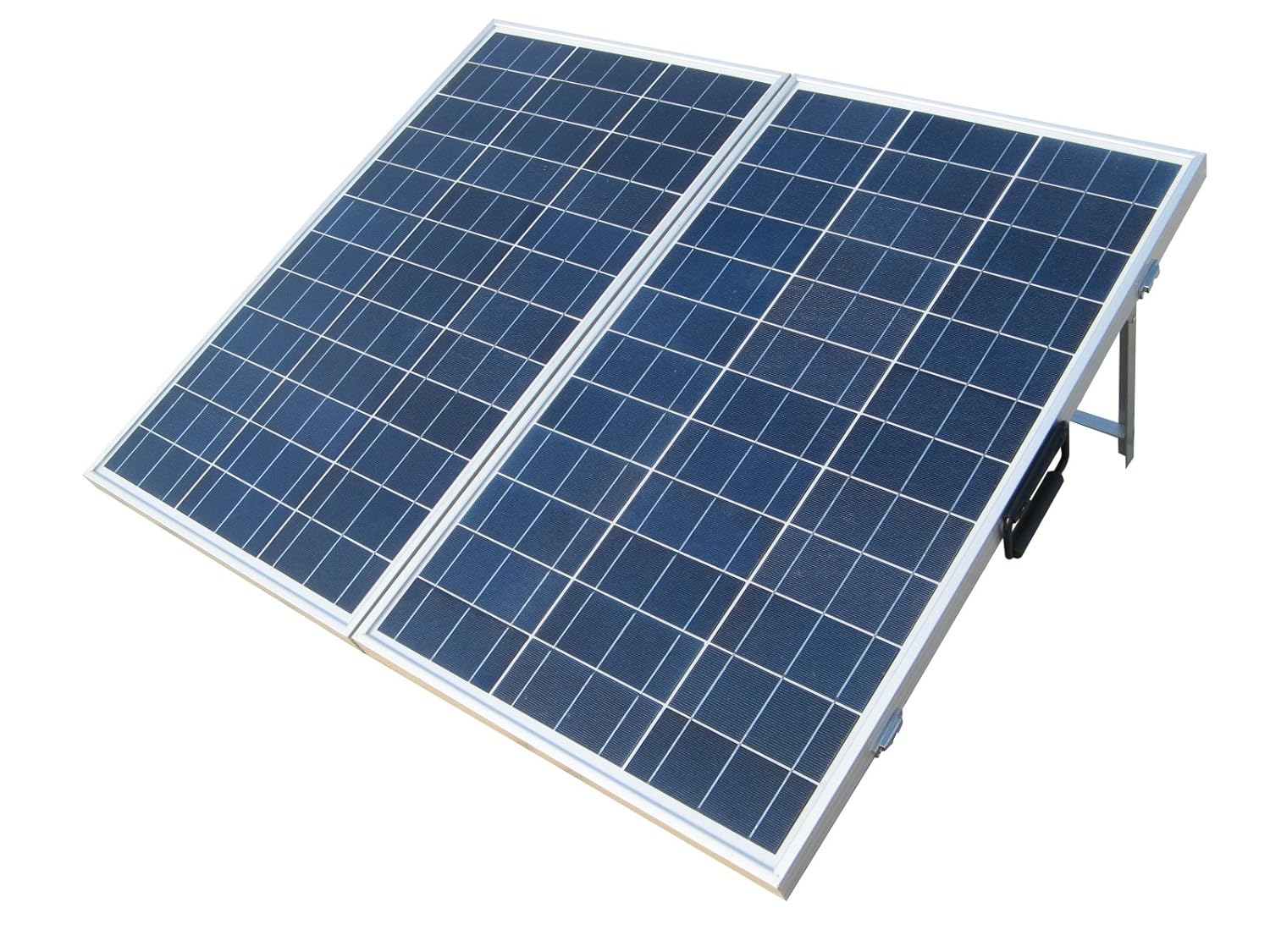

2. McDonough states: "What we realise today is that modern culture appears to have adopted a strategy of tragedy. If we come here and say, "Well, I didn't intend to cause global warming on the way here," and we say, "That's not part of my plan," then we realise it's part of our de facto plan. Because it's the thing that's happening because we have no other plan."
Do you agree with McDonough that we have a "strategy of tragedy" that is shaping the human condition? Why or why not?
I agree with McDonough that humans tend to have a "strategy of tragedy". Although often unintentionally and/or subconsciously, humans often go about their daily lives and do things without realising the effect that it has on our environment and community. I think there is also a mentality that we are doing nothing wrong if it is unintentional, and if it's something that everyone else does, then what different does it make? For example, driving cars. Cars are a huge contributor of global warming and pollution. Of course, people don't drive cars with the intention of killing the earth and polluting the environment and lungs of people in the community, they're driving cars for convenience. But they continue to do it, because they're not hurting the environment intentionally. Also, there often aren't short term, immediate effects, but rather gradual and long term effects...ultimately resulting in a tragedy in the environment. When people come up with new ideas and plans, they often focus solely on the end, "successful" results, and don't consider the whole picture, all the negatives that will come along with it. I think another example was the love canal tragedy. The Hooker Chemical Company were just looking for a place to dump their waste. They did not consider the fact that the toxic chemicals would leak out and seep into peoples homes. By trying to simplify their work by just dumping it into the river, they put many people at risk and created a huge and messy commotion.


3. McDonough believes that design determines our interactions with nature and how we value it. Is there evidence to support that view? Or does McDonough have it backwards, that nature actually shapes the way we design?
Personally, I think that McDonough has it backwards and that nature shapes the way that we design more so than our design shapes nature. I feel like there are a lot of things that nature does (like ecosystem services) that inspire humans to include into their designs. (A bit of a long shot), but I think the shapes of leaves are naturally formed so that water can run down them and these kinds of designs can be seen in some human designs. On the other hand, I can also see how some could argue that because the environment and the way it works is not something that we think about much because it was just "given" to us, designers don't really have it in mind when they design. I think they design more inspired off of other human designs. I also think the way that we value it sort of relates to the cradle to cradle design he mentions. There's a cycle that natural resources go through, like the food chain (kind of). Similarly, when our environment is healthy, so are we. Natures cradle to cradle design makes it apparent that nature shapes the way we design. Also, we have to keep up with our environment. If the world around us is changing, we have to change alongside with it. We design things to adhere what surrounds us.
4. Explain what cradle to cradle design is. Describe and use an example (provide a web link please) of what the two metabolisms are and what they do. Illustrations are welcome here - make the readers lose their minds!
Cradle to cradle design is the idea that we are playing in an infinite and ongoing game. It's a term that basically describes recycling, allowing materials to be recycled and reused, keeping them valuable and useful in the industry for as long as possible. It's a product that can be used, then used over and over again. It can be thrown away and recycled into something else. He described two metabolisms which were biological and technical. Biological metabolisms naturally reuse their resources, they are nature's nutrient cycles. Their materials are very easily broken down. They are the natural process of ecosystems. "The natural processes of ecosystems are a biological metabolism, making safe and healthy use of materials in cycles of abundance. A material used by living organisms or cells to carry on life processes such as growth, cell division, synthesis of carbohydrates and other complex functions" An example of a biological metabolism is a tree, because its materials are easily broken down and recycled by the natural environment.
A technical metabolism is a one way cycle. It can't recycle it's own materials. It's the process of putting products and their materials in a closed cycle, so they can be reused but not naturally. "the technical metabolism, designed to mirror the earth's cradle-to-cradle cycles, is a closed-loop system in which valuable, high-tech synthetics and mineral resources—technical nutrients—circulate in a perpetual cycle of production, recovery, and remanufacture" I think technical metabolisms are used more for like industrial purposes. A toothbrush could be a good example of this, because after it is used, it is thrown into a landfill and incinerated.
Example: G-Diapers https://www.gdiapers.com/
Example: Ice Stone counter surfaces http://www.c2ccertified.org/innovation-stories/icestone

Do you share McDonough's viewpoint? Explain and use an example of a design that supports your position.
I agree with McDonough's viewpoint for the most part, however he moves forward and says "well, what would our intentions be as a species now that we are the dominant species?" and I disagree with his assumption that all humans carry the same intentions. On the other hand, I think the quoted statement is true, sometimes in a good way, sometimes in a bad way, depending on the actual intentions of the person. I believe that there is intention behind the creation of every product - whether that is to resolve a problem, satisfy a need, provide entertainment, simplify human tasks, and so on. One bad example is the rubber duck he explained at the beginning. It contained chemicals that were carcinogens but they were still labelled and sold as children's toys. The obvious intention of this was to make money, not to keep the safety of the users. Underlying intention is applied to every product big and small. Steve Jobs for example, he probably had the money making intention in mind, but his main intention was likely to create a product (computer, iphone, ipad, etc.) to make human life more enjoyable, easier, more efficient and convenient, as well as to advance our technology needs. Also, solar panels, whoever designed those likely knew that earths resources (ie fossil fuels) would not be able to support the human race forever and ever, so they invented something that would use solar power to produce electricity, something that would be more sustainable and environmentally friendly. On another note, I think there are several occasions where the designer has a good intention at heart, but they aren't aware of potential consequences or harm that may accompany those benefits. For example, pencil leads which make our lives much easier, but the led is harmful to our bodies, the designer probably didn't know this. The precautionary principle should be in place to ensure safety and the risks really have to be weighed and analysed against the benefits.
2. McDonough states: "What we realise today is that modern culture appears to have adopted a strategy of tragedy. If we come here and say, "Well, I didn't intend to cause global warming on the way here," and we say, "That's not part of my plan," then we realise it's part of our de facto plan. Because it's the thing that's happening because we have no other plan."
Do you agree with McDonough that we have a "strategy of tragedy" that is shaping the human condition? Why or why not?
I agree with McDonough that humans tend to have a "strategy of tragedy". Although often unintentionally and/or subconsciously, humans often go about their daily lives and do things without realising the effect that it has on our environment and community. I think there is also a mentality that we are doing nothing wrong if it is unintentional, and if it's something that everyone else does, then what different does it make? For example, driving cars. Cars are a huge contributor of global warming and pollution. Of course, people don't drive cars with the intention of killing the earth and polluting the environment and lungs of people in the community, they're driving cars for convenience. But they continue to do it, because they're not hurting the environment intentionally. Also, there often aren't short term, immediate effects, but rather gradual and long term effects...ultimately resulting in a tragedy in the environment. When people come up with new ideas and plans, they often focus solely on the end, "successful" results, and don't consider the whole picture, all the negatives that will come along with it. I think another example was the love canal tragedy. The Hooker Chemical Company were just looking for a place to dump their waste. They did not consider the fact that the toxic chemicals would leak out and seep into peoples homes. By trying to simplify their work by just dumping it into the river, they put many people at risk and created a huge and messy commotion.
3. McDonough believes that design determines our interactions with nature and how we value it. Is there evidence to support that view? Or does McDonough have it backwards, that nature actually shapes the way we design?
Personally, I think that McDonough has it backwards and that nature shapes the way that we design more so than our design shapes nature. I feel like there are a lot of things that nature does (like ecosystem services) that inspire humans to include into their designs. (A bit of a long shot), but I think the shapes of leaves are naturally formed so that water can run down them and these kinds of designs can be seen in some human designs. On the other hand, I can also see how some could argue that because the environment and the way it works is not something that we think about much because it was just "given" to us, designers don't really have it in mind when they design. I think they design more inspired off of other human designs. I also think the way that we value it sort of relates to the cradle to cradle design he mentions. There's a cycle that natural resources go through, like the food chain (kind of). Similarly, when our environment is healthy, so are we. Natures cradle to cradle design makes it apparent that nature shapes the way we design. Also, we have to keep up with our environment. If the world around us is changing, we have to change alongside with it. We design things to adhere what surrounds us.
4. Explain what cradle to cradle design is. Describe and use an example (provide a web link please) of what the two metabolisms are and what they do. Illustrations are welcome here - make the readers lose their minds!
Cradle to cradle design is the idea that we are playing in an infinite and ongoing game. It's a term that basically describes recycling, allowing materials to be recycled and reused, keeping them valuable and useful in the industry for as long as possible. It's a product that can be used, then used over and over again. It can be thrown away and recycled into something else. He described two metabolisms which were biological and technical. Biological metabolisms naturally reuse their resources, they are nature's nutrient cycles. Their materials are very easily broken down. They are the natural process of ecosystems. "The natural processes of ecosystems are a biological metabolism, making safe and healthy use of materials in cycles of abundance. A material used by living organisms or cells to carry on life processes such as growth, cell division, synthesis of carbohydrates and other complex functions" An example of a biological metabolism is a tree, because its materials are easily broken down and recycled by the natural environment.
A technical metabolism is a one way cycle. It can't recycle it's own materials. It's the process of putting products and their materials in a closed cycle, so they can be reused but not naturally. "the technical metabolism, designed to mirror the earth's cradle-to-cradle cycles, is a closed-loop system in which valuable, high-tech synthetics and mineral resources—technical nutrients—circulate in a perpetual cycle of production, recovery, and remanufacture" I think technical metabolisms are used more for like industrial purposes. A toothbrush could be a good example of this, because after it is used, it is thrown into a landfill and incinerated.
Example: G-Diapers https://www.gdiapers.com/
Example: Ice Stone counter surfaces http://www.c2ccertified.org/innovation-stories/icestone
Wednesday, January 10, 2018
The Hunt for PBDEs - Project Report
Academy Building & Location: Lovejoy Library - Fowler Learning Centre


Dorm/Home: Davis House Dorm


Example products:


Concluding Questions:
1. Where (what kind of room) did you find the most flame retardant products?
As visible from my data charts, for a lot of products, I was unable to identify and prove that a product was flame retardant or non-flame retardant, however, if I were to single out one room, it would probably be the bedroom. Of the two products I found that did have labels, the mattress was one of them, and a dog pen was the other. I felt that the mattress represented the bedroom more so than the dog pen represented the common room. Although not visible on any labels, after doing some research, I also discovered that a lot of the clothing brands I have have been tested to contain flame retardant chemicals (The North Face, for example). The sleeping bag I tested was another item that, after looking online, I discovered was very likely to contain flame retardant chemicals. However, the common room has a lot of couches, which although weren’t apparent on the tag, likely contain flame retardant chemicals.
2. What was the most abundant product found to be dosed in flame retardants?
It was hard to decide how to answer this question, seeing as I only was able to find two labels that talked about flame retardants in the product. If I were to make an assumption that the sofa and the sofa cushions contained flame retardant chemicals, then I would say that the sofas and the sofa chairs (in both the library and the dorm) are the most abundant products found to be dosed in flame retardants. However, if I can’t fairly make that assumption, then I would have to go with mattresses. With 12 girls in the dorm, there are 12 mattresses, and this doesn’t even include the ones in our dorm parents home. However, I did have to check labels on two mattresses before finding the one that contained flame retardant chemical information, so saying mattresses as an answer to this question would still be assuming that although I only found the tag on one mattress, that it applies to all of the ones I didn’t check.
3. Examining your charts, which product do you think gets the most use from people?
It’s most likely that the mattress/sheets/pillows/blankets or the sofas get the most use from people. While clothing is worn every day, specific individual pieces of clothing are usually only worn once every few days. Sofas are used everyday by a variety of different people. With nine students living in the dorm sharing the sofas, they are definitely used very often. Beds (and everything on it) are used every night, as well as during the day when students need a nap or want somewhere comfortable to work or read.
4. Knowing that exposure rate, route of exposure and age of exposure are keys to determining toxic impact, which product generates the highest health risk? Which product has the lowest health risk? Explain why.
There are a variety of ways that humans can be exposed to PBDEs. It’s most likely that for most of the products I examined, the PBDEs enter our bodies through inhalation of absorption through contact with the product. I think that the bed (and sheets, pillows and blankets) generates the highest health risk for a few reasons. This is because when you sleep in the bed, you wrap yourself completely in products that are filled with PBDE chemicals. For those who sleep face down, they can be especially vulnerable with their face so close to the product(s) that contain and are releasing the dangerous chemicals. Furthermore, particularly in the case of the dorms, the bedrooms are relatively small spaces, which means there’s probably a higher concentration in the room than there would be in a bigger room, from the chemicals being released. Also, it is a stagnant item that rarely, if ever, leaves the room. I think of the products I examined, the product with the lowest risk is probably my suitcase. It isn’t used very often and there isn’t a ton of material on it. I would also say for me that toys are a relatively low risk due to their small size and my lack of exposure to them, but for young children, they could pose quite a high risk of inhalation and ingestion, especially for children who stick everything into their mouths.
5. After watching SAFETY ON FIRE, what would you suggest are some appropriate means to address the concerns of PBDE exposure?
The most obvious would be to avoid buying PBDE products whenever possible. It comes back down to the risk vs benefit test. It will be argued that buying non-PBDE products will increase your chances of death in a fire, and it’s also argued that buying PBDE products will increase your chances of cancer, brain problems etc. I think we should be more focused on avoiding cancer and health problems, because by buying PBDE products, we are lowering the already low chances of being caught and killed in a house fire. The chances of being killed by cancer are much higher than a fire, and by buying PBDE products, not only are we lowering already-low fire chances, we are raising already-high cancer chances. 85% + of people have had or have cancer in some form or another by their 80’s. Buying PBDE products will lower that age number. Even just buying products with natural fibers (such as cotton or wool) that are already somewhat flame resistant on their own and contain far fewer chemicals. Foam is the biggest concern of carriers of PBDE. Replace or make sure to cover up any cushions (or the like) if there is any exposed foam, and always try to avoid contact with crumbly foam. It is hard, though, to address the global concern, because it’s not so simple to just ban companies from using the product, and it’s not short of impossible to get everyone to agree that preventing cancer is more important than preventing fires.
6. What concerns and questions do you still have about PBDEs?
After doing this project and studying all the labels and tags of the furniture and items that we have, the biggest concern that I have is the lack of information provided to us about PBDEs in our products. Looking at the charts and bar graphs, I was only able to find two products that had labels addressing the issue. Some products had stacks of labels, but nothing about flame. Many products had tags that said they were made of “new materials” that are described in accordance with the law. Most of the tags just had washing instructions and materials on it. One even said "keep away from fire" but no other information on it. I think people need to be educated, because the reason why a lot of companies don’t think to include the information, is because most people don’t know of the problems or they don’t care because they don’t know the true effects it can have on them. Even with the labels, most of the time the labels are completely looked over, no matter what they say. My question, which ultimately is the big question of the project, is: is the risk and damage really worth the benefit? Also, looking at it the other way around, how much damage do PBDEs really do to our bodies? The effects aren’t so big that everyone notices them, but granted, it is hard to notice something when you don’t know the alternatives. I’m excited and worried at the same time to find out about the future of PBDE, how its usage may reduce or increase, and how it will affect future generations and the human race in general. Though the damage now, even to individuals, isn’t gigantic, in the long term, it could have major effects on our whole species.
I found this project really enlightening and challenging. It was interesting to get a closer look at all the products we surround ourselves with. The biggest challenge was definitely finding tags and labels with the information we needed, or even just finding tags in general (especially on furniture!). Even though we were able to find very little useful (to this project) information, I never usually look at tags when I buy things, so even though I didn’t see much about PBDEs, I did learn a lot about the materials and the washing methods of a lot of my clothing. When doing research around this project, it was also kind of scary to find out just how much we are surrounded by chemicals that we don’t even know about let alone acknowledge and actively deal with. This project had made me more aware of the things that surround me and of my body health.
Subscribe to:
Posts (Atom)